Distractions aren’t the problem — they’re the symptom.
Most professionals don’t struggle because they lack discipline or motivation. They struggle because their days are built around interruption, reaction, and constant context switching. Notifications pull attention in ten directions. Meetings fragment focus. Home and work bleed into each other. By the time the day ends, it feels like a lot happened… but very little meaningful work got done.
This is where deep work comes in — and where most advice falls short.
Deep work isn’t about waking up at 5 a.m., eliminating all fun, or forcing focus through sheer willpower. It’s about building a routine that supports focus instead of constantly fighting against it.
Let’s break down how to move from distraction to deep work — and how to create a routine that actually works in real life.
What Deep Work Really Is (and Isn’t)
Deep work is the ability to focus on cognitively demanding tasks without distraction for extended periods of time. It’s the kind of work that:
Moves projects forward
Creates real value
Requires thinking, problem-solving, or creativity
Can’t be done well in five-minute chunks
Deep work is not:
Checking email
Responding to messages
Attending status meetings
Jumping between tasks
Those activities are necessary — but they’re shallow work. And when shallow work dominates your day, deep work never has space to happen.
Why Most Routines Fail Before They Start
Many people try to “fix” their productivity by changing tactics:
New planners
New apps
New to-do lists
New morning routines
But routines fail when they don’t address the root issue: environment + energy + boundaries.
A routine that looks great on paper won’t survive if:
Your environment invites distraction
Your energy is ignored
Your boundaries are weak or nonexistent
Deep work isn’t about squeezing more into your day. It’s about protecting fewer, more meaningful blocks of time.
Step One: Identify Your Real Distractions
Before building a routine, you need to get honest about what’s pulling you out of focus.
Distractions usually fall into three categories:
1. External Distractions
Notifications
Emails
Slack or Teams messages
People interrupting
Household noise
2. Internal Distractions
Mental to-do lists
Anxiety about other tasks
Boredom or resistance
Perfectionism
Overthinking
3. Environmental Distractions
Working where you relax
Visual clutter
Poor lighting or ergonomics
Unclear work zones
Most routines fail because they only address time — not distractions.
Step Two: Stop Treating Focus as Unlimited
One of the biggest myths about productivity is that you can focus deeply all day.
You can’t.
Deep work is mentally expensive. Most people can realistically sustain 2–4 hours of true deep work per day. That’s not a failure — it’s biology.
The goal isn’t to work deeply longer.
The goal is to work deeply consistently.
A routine that works respects:
Energy cycles
Cognitive limits
Recovery time
When you stop expecting constant focus, your routine becomes more sustainable.
Step Three: Design Your Day Around Energy, Not Time
The most effective deep work routines are built around when you think best, not when you’re “supposed” to work.
Identify Your Peak Focus Window
Ask yourself:
When do I feel most mentally sharp?
When is it easiest to start hard tasks?
When do distractions bother me least?
For many people, this is:
Early morning
Mid-morning
Or a short window after movement or caffeine
This window is prime real estate. Protect it fiercely.
Step Four: Create a Deep Work Anchor
A deep work anchor is a consistent cue that tells your brain, “It’s time to focus now.”
Anchors can include:
Going to the same workspace
Sitting at the same desk
Putting on noise-canceling headphones
Starting with the same ritual (coffee, music, breathing)
The brain loves patterns. When you repeat the same cue before deep work, focus becomes easier to access.
This is why environment matters so much. When you work in a space designed for work — not life, not chores, not rest — your brain transitions faster into focus.
Step Five: Reduce Friction Before You Start
Deep work fails most often at the starting line.
If you have to:
Decide what to work on
Find files
Clear your desk
Set up tools
Negotiate with yourself
You’re already burning mental energy.
A routine that works removes friction before focus time begins.
Prep the Day Before
Choose your deep work task in advance
Close unnecessary tabs
Write down your starting point
Tidy your workspace
When it’s time to work, you should be able to sit down and begin within minutes.
Step Six: Use Time Blocking (But Keep It Simple)
Time blocking supports deep work by creating protected focus windows — but only if it’s realistic.
Instead of scheduling your entire day, try this:
Block 1–2 deep work sessions per day
Keep them 60–90 minutes each
Leave buffer time around them
Your calendar should protect focus, not suffocate it.
And here’s the key: honor the block. Treat it like a meeting with your most important client — because it is.
Step Seven: Control Inputs, Not Just Outputs
Many people try to improve deep work by pushing harder on output.
A better approach is to control inputs.
Before deep work:
Silence notifications
Close email and messaging apps
Put your phone out of reach
Let others know you’re unavailable
You’re not being unresponsive — you’re being intentional.
Deep work requires uninterrupted input. Even short interruptions can take 15–30 minutes to recover from.
Step Eight: Build in Recovery on Purpose
Deep work without recovery leads to burnout.
A routine that works includes:
Short breaks between focus blocks
Movement
Natural light
Hydration
Mental transitions
This isn’t wasted time. It’s what allows you to return to focus again later.
The best routines alternate between:
Focus
Release
Reset
Why Environment Makes or Breaks Deep Work
This is where many professionals hit a wall.
You can have the perfect routine — but if your environment constantly interrupts it, deep work becomes exhausting.
Environments that support deep work:
Reduce noise and unpredictability
Create clear work boundaries
Minimize visual clutter
Signal focus socially
This is why so many people struggle to do deep work at home — and why changing where you work often changes how you work.
When your environment supports focus, your routine stops feeling like a battle.
Common Mistakes That Kill Deep Work Routines
Even strong routines fail when these patterns show up:
Trying to do deep work all day
Checking email “just in case”
Over-scheduling every minute
Working in spaces that invite interruption
Expecting instant results
Deep work is a practice, not a personality trait.
Signs Your Routine Is Actually Working
A deep work routine is working when:
Starting feels easier
Focus lasts longer
Work quality improves
You finish meaningful tasks more often
You feel less mentally drained
Productivity should feel lighter, not heavier.
Avoid Distractions for the Best Results
Deep work isn’t about becoming more intense. It’s about becoming more intentional.
A routine that actually works:
Respects your brain
Protects your energy
Reduces distractions
Uses environment as support, not an afterthought
You don’t need perfect conditions.
You need consistent ones.
When you move from reacting to distractions to designing for focus, deep work stops feeling rare — and starts feeling normal.
And that’s when real progress happens.
Join The Blooming Desk
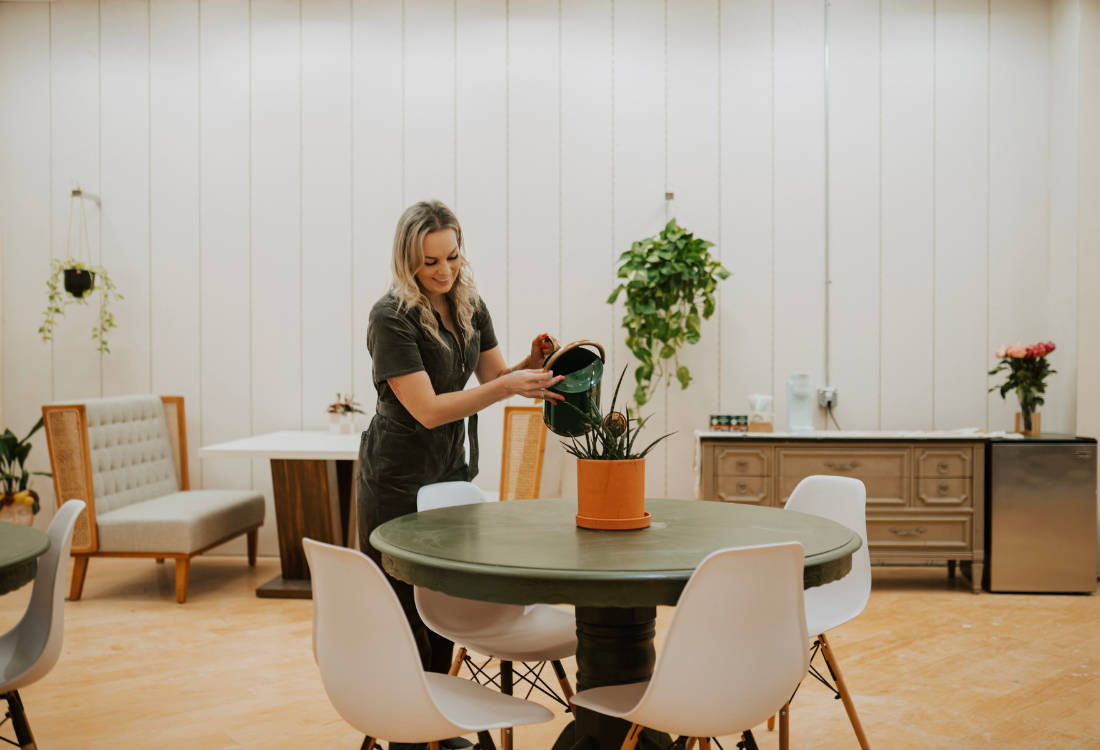
If part of building a solid productivity routine means deliberately choosing the right environment, consider carving out time at The Blooming Desk in the heart of Salem Center Mall — a creative coworking and event space designed to help you shift from scattered thoughts to focused work.
Unlike a typical café or home office, The Blooming Desk combines the quiet structure of a professional workspace with the flexibility that modern creatives and entrepreneurs crave. Whether you need a dedicated desk for a block of uninterrupted time, a shared workspace to collaborate, or even a place to host a small workshop or networking event, this is a space that adapts to your workflow.
Inside Salem Center, The Blooming Desk also regularly hosts community-oriented events — from social media workshops to creative meetups — so you can strengthen both your focus and your professional network.
Including a stop like The Blooming Desk in your productivity routine is a reminder that crafting your ideal work rhythm isn’t just about habits — it’s about setting the tone with an environment that supports concentration, connection, and purposeful action.