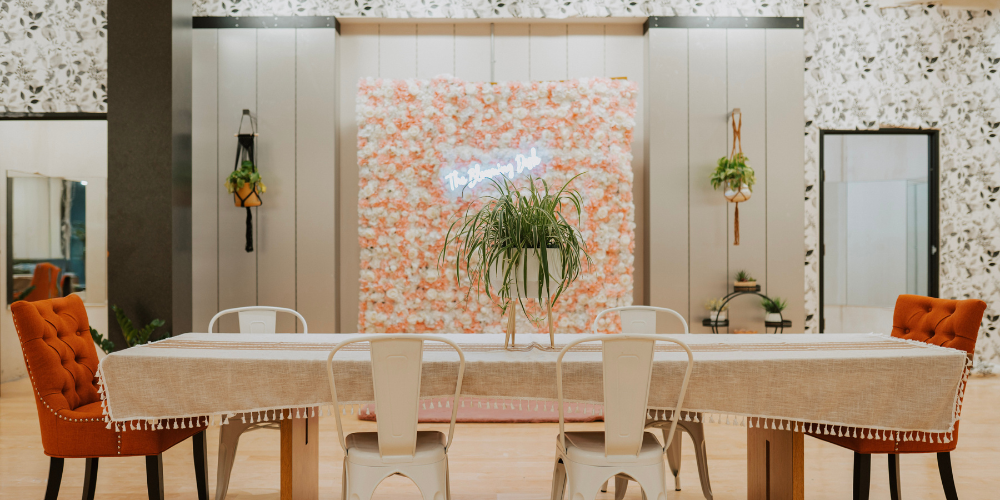
Productivity is often framed as a personal trait — something you either have or don’t. We blame our lack of focus on poor time management, low motivation, or endless distractions. But one of the most powerful influences on how much we get done every day is far more external than we realize.
It’s the space we work in.
Your workspace quietly shapes your behavior, energy, mindset, and ability to concentrate. Whether you’re working from home, in a coworking space, or in a traditional office, the physical environment around you can either support your productivity — or sabotage it.
In this article, we’ll explore how your workspace impacts productivity, why environment matters more than willpower, and how intentional design choices can dramatically improve focus, creativity, and efficiency.
The Psychology of Space and Productivity
Humans are deeply affected by their surroundings. Long before modern offices existed, our brains evolved to respond to environmental cues — light, sound, clutter, color, and spatial layout. Those cues still influence how alert, calm, stressed, or motivated we feel today.
When your workspace is poorly designed, your brain must work harder just to filter out distractions. When it’s thoughtfully designed, your environment does some of that work for you.
Research in environmental psychology shows that workspace conditions directly affect:
-
Attention span
-
Cognitive performance
-
Stress levels
-
Creativity
-
Motivation
-
Overall job satisfaction
In other words, productivity isn’t just about discipline. It’s about alignment between your brain and your environment.
Clutter: The Silent Productivity Killer
Clutter is one of the most underestimated productivity obstacles.
A messy workspace constantly pulls at your attention, even when you think you’ve learned to ignore it. Visual clutter competes for your brain’s processing power, increasing mental fatigue and reducing focus.
How Clutter Affects Your Brain
-
Creates cognitive overload
-
Increases stress hormones
-
Slows decision-making
-
Reduces ability to focus on complex tasks
When your desk is covered in papers, cords, and unfinished projects, your brain perceives all of it as “open loops.” That constant reminder of incomplete work can create anxiety and mental exhaustion.
What a Clear Workspace Does Instead
-
Encourages clarity and focus
-
Makes it easier to prioritize
-
Reduces friction when starting tasks
-
Creates a sense of control
This doesn’t mean your workspace needs to look sterile or minimalist. It means everything should have a purpose and a home.
Lighting: Fuel for Focus and Energy
Lighting plays a huge role in productivity, yet many people work in poorly lit environments without realizing how much it’s affecting them.
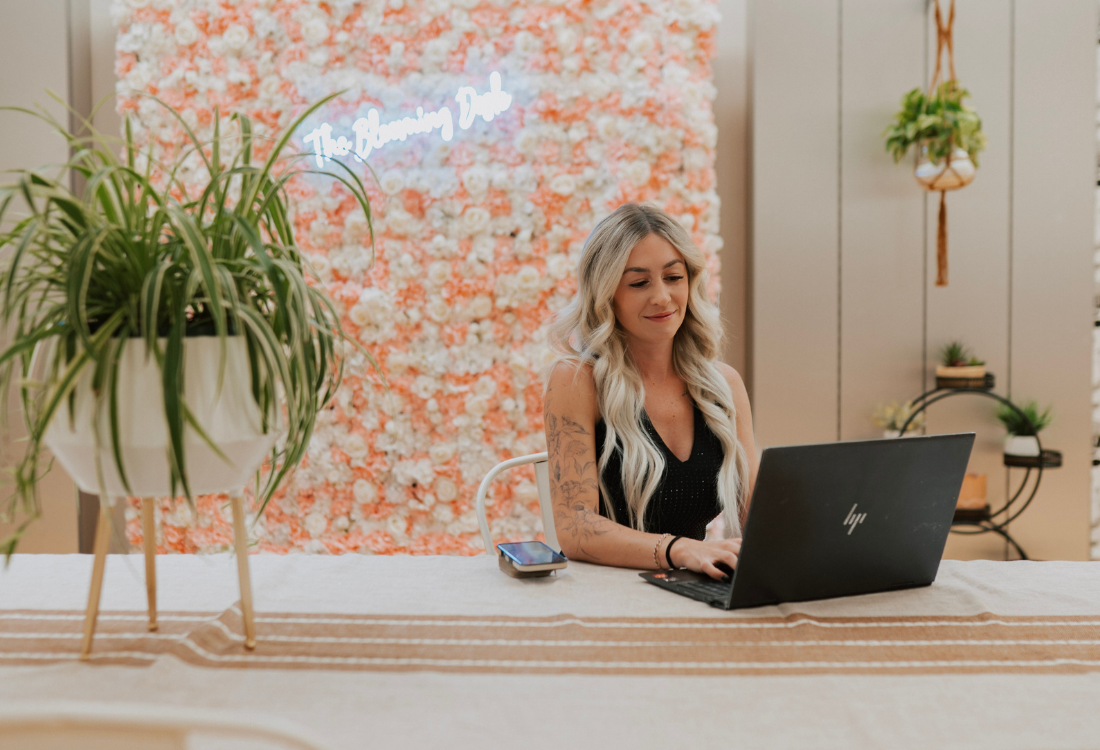
Natural Light Is a Game Changer
Exposure to natural light improves:
-
Alertness
-
Mood
-
Sleep quality
-
Circadian rhythm regulation
People who work near windows consistently report higher productivity and lower stress levels. Natural light signals to your brain that it’s time to be awake and engaged.
Poor Lighting Leads To:
-
Eye strain
-
Headaches
-
Fatigue
-
Reduced concentration
Simple Lighting Improvements
-
Position your desk near a window if possible
-
Use warm task lighting instead of harsh overhead lights
-
Avoid glare directly on screens
-
Add adjustable lamps to customize brightness throughout the day
Good lighting doesn’t just help you see better — it helps you think better.
Ergonomics: Productivity Starts With Your Body
Your brain can’t operate at peak performance if your body is uncomfortable.
Poor ergonomics lead to:
-
Neck and back pain
-
Wrist strain
-
Poor posture
-
Frequent breaks caused by discomfort
Over time, physical discomfort becomes mental distraction. Even subtle aches pull your attention away from deep work.
Ergonomic Elements That Matter
-
Chair height and lumbar support
-
Desk height relative to your arms
-
Monitor positioned at eye level
-
Keyboard and mouse placement
When your workspace supports your body properly, you:
-
Stay focused longer
-
Feel less drained at the end of the day
-
Reduce burnout
-
Maintain consistent energy
Comfort isn’t a luxury — it’s a productivity tool.
Color and Mood: Design That Shapes Behavior
Color has a psychological impact, whether we’re conscious of it or not.
How Different Colors Influence Productivity
-
Blue: Encourages focus, calm, and analytical thinking
-
Green: Reduces eye strain and supports balance and creativity
-
Yellow: Sparks optimism and creativity (best in moderation)
-
Neutral tones: Promote clarity and reduce distraction
The key is balance. Overly stimulating colors can create restlessness, while dull or dark spaces can feel draining.
Design With Intention
Your workspace should reflect the type of work you do. Creative work thrives in environments with warmth and visual interest. Analytical or deep-focus work benefits from calmer, simpler palettes.
Sound and Noise Control
Sound is one of the most disruptive environmental factors — especially for deep, focused work.
The Productivity Impact of Noise
-
Background chatter reduces concentration
-
Sudden sounds break focus
-
Inconsistent noise increases stress
Open offices and shared spaces often increase collaboration but decrease focus. For many people, the constant noise requires extra mental energy just to stay on task.
Sound Solutions That Work
-
Noise-canceling headphones
-
Soft background music or white noise
-
Acoustic panels or rugs to absorb sound
-
Quiet zones or focus rooms
The goal isn’t total silence — it’s predictable sound.
Personalization and Ownership
A workspace that feels personal creates emotional investment.
When people feel a sense of ownership over their environment, they:
-
Feel more motivated
-
Take pride in their work
-
Experience higher job satisfaction
Personalization doesn’t mean clutter. It means intentional touches:
-
Plants
-
Artwork or photos
-
Textures and materials you enjoy
-
Branding elements that align with your goals
Your workspace should remind you why you’re doing the work — not just what you’re doing.
Layout and Flow: Reducing Friction
Every time you have to search for something, rearrange your chair, or step over clutter, you lose momentum.
Good Layout Supports:
-
Smooth transitions between tasks
-
Faster access to tools
-
Clear mental boundaries between work types
For example:
-
A dedicated desk for deep work
-
A separate area for meetings or creative brainstorming
-
Storage that keeps essentials within reach
When your environment flows, your work does too.
The Role of Boundaries in Productivity
Especially for remote workers, boundaries are critical.
Working from a couch or bed blurs the line between work and rest, making it harder to focus — and harder to unplug.
A Defined Workspace:
-
Signals “work mode” to your brain
-
Improves concentration
-
Makes it easier to start and stop work
-
Prevents burnout
Even in small spaces, boundaries can be created with rugs, screens, lighting changes, or furniture placement.
Coworking Spaces and Shared Environments
For many people, productivity improves dramatically in a coworking environment.
Why?
-
Built-in structure
-
Fewer household distractions
-
Energy from others working nearby
-
Access to meeting rooms and amenities
The right shared space balances:
-
Community and focus
-
Flexibility and routine
-
Creativity and professionalism
Not all coworking spaces are equal — the most effective ones are designed intentionally with productivity in mind.
How Your Workspace Impacts Motivation
Your environment influences how you feel about work.
A workspace that feels chaotic, uncomfortable, or uninspiring subtly drains motivation. A space that feels welcoming, intentional, and aligned with your goals makes work feel lighter — even when the tasks are challenging.
Motivation isn’t just internal. It’s environmental.
Small Changes That Make a Big Difference
You don’t need a full redesign to improve productivity. Small adjustments add up.
Easy Wins:
-
Clear your desk at the end of each day
-
Add a plant or natural element
-
Adjust your chair and monitor height
-
Improve lighting
-
Create a daily “workspace reset” routine
Consistency matters more than perfection.
Designing a Workspace That Works for You
There is no one-size-fits-all workspace. Productivity looks different depending on:
-
Your job
-
Your personality
-
Your working style
-
Your life stage
The most productive workspace is one that supports your energy, focus, and goals.
Ask yourself:
-
What distracts me most right now?
-
What makes it easier to start working?
-
What drains my energy during the day?
-
How do I want to feel when I sit down to work?
Your answers should guide your design choices.
Productivity = Personal Trait?
Productivity isn’t just about working harder — it’s about working smarter. And one of the smartest things you can do is design a workspace that supports you instead of fighting against you.
Your environment is always influencing you, whether you’re aware of it or not. When you take control of your space, you take control of your focus, energy, and output.
Your workspace is more than a place to work.
It’s a tool — and when used well, it can transform how you show up every day.